
The transition from childhood to young adulthood is marked by several milestones: getting a driver’s license, surviving the first heartbreak, and the inevitable "college talk." But there is one milestone that often gets pushed to the back burner, despite it having the longest-lasting impact on a child's life: financial literacy.
We live in an era of "invisible money." Between Apple Pay, Venmo, and automatic subscriptions, teens today rarely handle physical cash. This abstraction makes it incredibly easy for them to lose track of spending before they’ve even learned how to earn. As a parent, one of the most empowering gifts you can give your high schooler isn't a car or a graduation party—it’s a bank account and the knowledge of how to use it.
Why High School is the "Golden Window" for Banking
High school is the perfect "sandbox" for financial mistakes. If a 16-year-old overdraws their account or spends their entire paycheck on video games, the consequences are manageable. They still have a roof over their heads and food in the pantry. If they wait until they are 22 and living in their first apartment to make these mistakes, the stakes are much higher.
By opening a student bank account now, you aren't just giving them a place to store money; you are providing a hands-on laboratory for understanding budgeting, compounding interest, and security. It creates a direct correlation between work (chores or part-time jobs) and purchasing power.
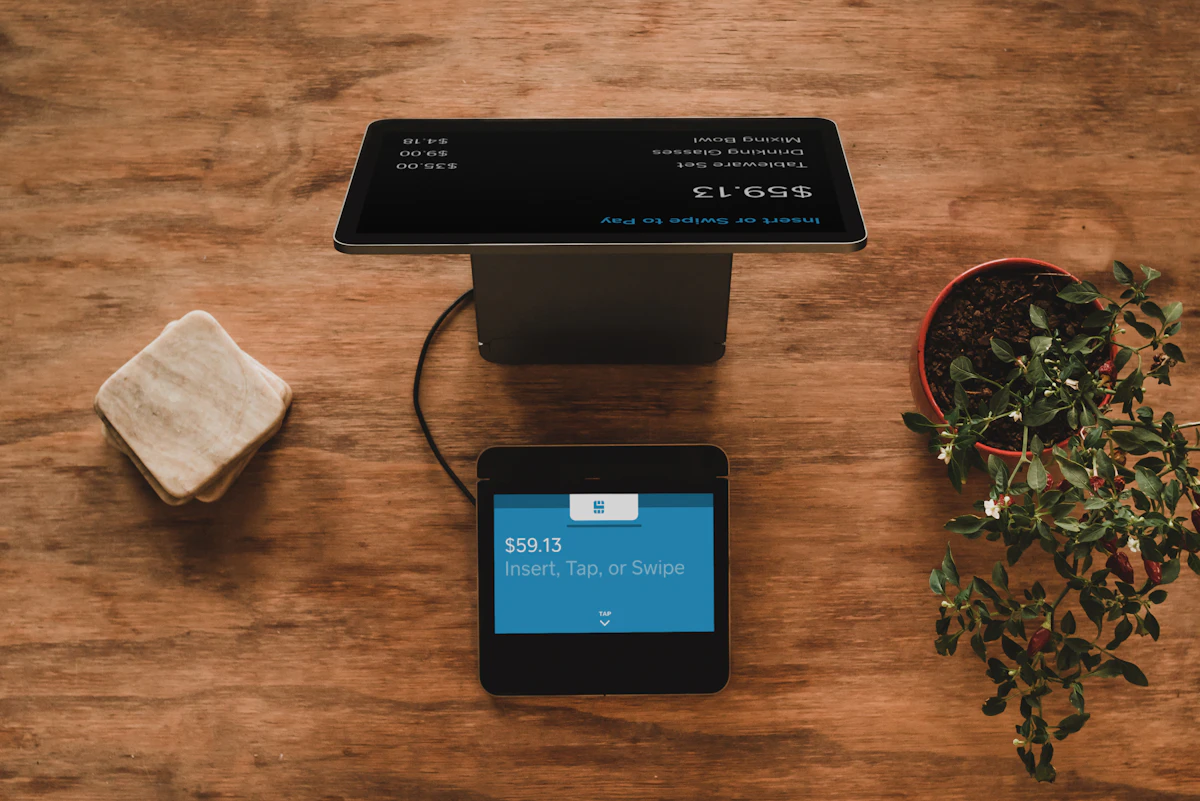
What to Look for in a Student Bank Account
Not all bank accounts are created equal, especially when it comes to minors. You want an account that encourages good habits rather than one that punishes small mistakes with heavy fees. Here are the non-negotiables you should look for:
- Zero Monthly Maintenance Fees: A $10 monthly fee can wipe out a teen's savings. Look for "Student Checking" options that waive these fees.
- Robust Mobile App: Teens need an intuitive app that shows real-time transactions and offers savings "goals."
- Parental Controls: For younger teens, you want the ability to monitor transactions or lock the card if necessary.
- ATM Accessibility: Ensure they have access to a large network to avoid out-of-network fees.
Top Picks: The Best Accounts for High Schoolers
Here is a breakdown of the current market leaders that strike the best balance between features for teens and peace of mind for parents.
1. Capital One MONEY: Best for Younger Teens
Designed for kids 8 and up, but perfect for early high school. It offers no fees, no minimum balance, and a decent interest rate. The "Dual Login" feature allows the teen independence while parents keep a watchful eye.
2. Chase High School Checking: Best for Integration
Excellent for parents who already bank with Chase. It connects directly to the parent account for instant transfers and has one of the best-rated mobile apps in the industry.
3. Copper Banking: Best for Education
Copper is a financial literacy platform built for Gen Z. The app includes "Learn" modules—short videos and quizzes that reward teens for learning about credit scores and investing.
The "Human" Element: How to Teach the Lessons
Opening the account is only the beginning. The real work is in the conversations that follow. When your teen gets their first paycheck, it's the perfect time to discuss "Gross Pay" vs "Net Pay" and the reality of taxes. This is a vital teaching moment that many adults wish they had earlier.
Introduce the **50/30/20 Rule**: 50% for needs (gas money), 30% for wants (entertainment), and 20% for savings. This simple framework provides a lifelong blueprint for financial success. Encourage them to watch out for "The Ooze"—those small $5-6 purchases like coffee or gaming skins that slowly drain an account without notice.

Cybersecurity: Protecting Digital Assets
In 2026, cybersecurity is as important as saving money. Use the opening of a bank account to discuss Two-Factor Authentication (2FA), the difference between debit and credit card protections, and the dangers of accessing banking apps on public Wi-Fi. Teaching them to protect their digital identity now will prevent massive headaches in the future.
Why It's a Winning Strategy
- Financial Sandbox: Low-risk environment for mistakes.
- Habit Formation: Teaches consistency and budgeting.
- Independence: Empowers teens to make their own choices.
- Credit Prep: Sets the stage for responsible credit use.
Common Pitfalls to Avoid
- Constant Bailouts: If they run out of money, let them feel the pinch.
- Over-Monitoring: Avoid being "Big Brother" about every small purchase.
- Hidden Fees: Always read the fine print on "out-of-network" ATMs.
- Neglecting Security: Don't skip the talk about phishing and scams.
Strategic Conclusion: Your Path Forward
Financial literacy isn't about math; it’s about **behavior.** By choosing the right high school bank account, you are providing the infrastructure for your teen to develop the habits of discipline, foresight, and responsibility. The goal isn't to turn them into a Wall Street banker by age 18, but to ensure they aren't afraid of their bank statement when they leave home.
Take the time this weekend to sit down with your teen. Look at the options together, discuss their goals, and open that first account. It is one of the most practical and lasting ways to prepare them for the real world.
Ready to Start Your Teen's Financial Journey?
Our 2026 banking comparison tool helps you find accounts with the best interest rates and lowest fees for students.
Compare Student AccountsFinancial Disclaimer: The information provided in this article is for educational and informational purposes only and should not be construed as professional financial, investment, or legal advice. While we strive to provide accurate and up-to-date information, banking rates and terms change frequently. We recommend consulting with a certified financial advisor or conducting your own thorough research before making any significant financial decisions. CreditOmni assumes no liability for any loss or damage resulting from reliance on the information contained herein.